Green Initiatives: How E-Waste Recycling Services Are Protecting Our Planet
E-waste poses significant threats to the environment, as disposed electronics frequently harbor hazardous substances. These hazardous substances can contaminate soil and water, leading to broader ecological damage. E-waste recycling initiatives provide a practical answer. They not only recover valuable resources but also mitigate pollution. Understanding how these services operate and their impact on communities is essential. Pursuing efficient e-waste management brings forth pressing questions regarding individual duties and shared responsibility. What steps can be taken next?
Why Electronic Waste Is Harmful to the Planet
Although technological advancements improve our daily lives, e-waste creates considerable environmental hazards. Abandoned electronic gadgets, frequently composed of dangerous compounds like lead, mercury, and cadmium, may release harmful substances into soil and groundwater, creating hazards for both wildlife and human well-being. The accelerating rate of technological innovation results in higher rates of electronics disposal among consumers, intensifying the growing problem of electronic waste.
Landfills, already burdened with waste, struggle to accommodate the growing volumes of discarded gadgets. Incineration, a common waste management technique, emits dangerous pollutants into the environment, degrading atmospheric conditions. In addition, improper recycling practices can lead to the exportation of e-waste to developing countries, where laborers may dismantle devices without adequate safety measures, exposing themselves to dangerous substances. This pattern of negligence and mismanagement highlights the critical demand for eco-friendly recycling alternatives that can reduce the damaging impact of electronic waste on the environment.
What Is E-Waste and Why Is It Important?
E-waste, or electronic waste, comprises unwanted electronic equipment including televisions, computers, and smartphones that are no longer functional or needed. This rapidly expanding waste category is noteworthy owing to its accelerating volume, propelled by advances in technology and evolving consumer behaviors. As growing numbers of electronics become outdated, the ecological consequences become more pronounced, with dangerous elements including lead, mercury, and cadmium posing risks to ecosystems and human health.
Addressing e-waste is crucial not only for reducing these dangers but also for acknowledging the precious materials found within it. Valuable metals and rare earth materials can be extracted and repurposed, lessening the demand for mining and preserving natural resources. With a thorough understanding of e-waste and its impact, people and organizations alike can make educated decisions about disposal and recycling, helping to build a more sustainable world. Proper management of e-waste is essential for fostering a circular economy and promoting environmental stewardship.
How the E-Waste Recycling Process Works
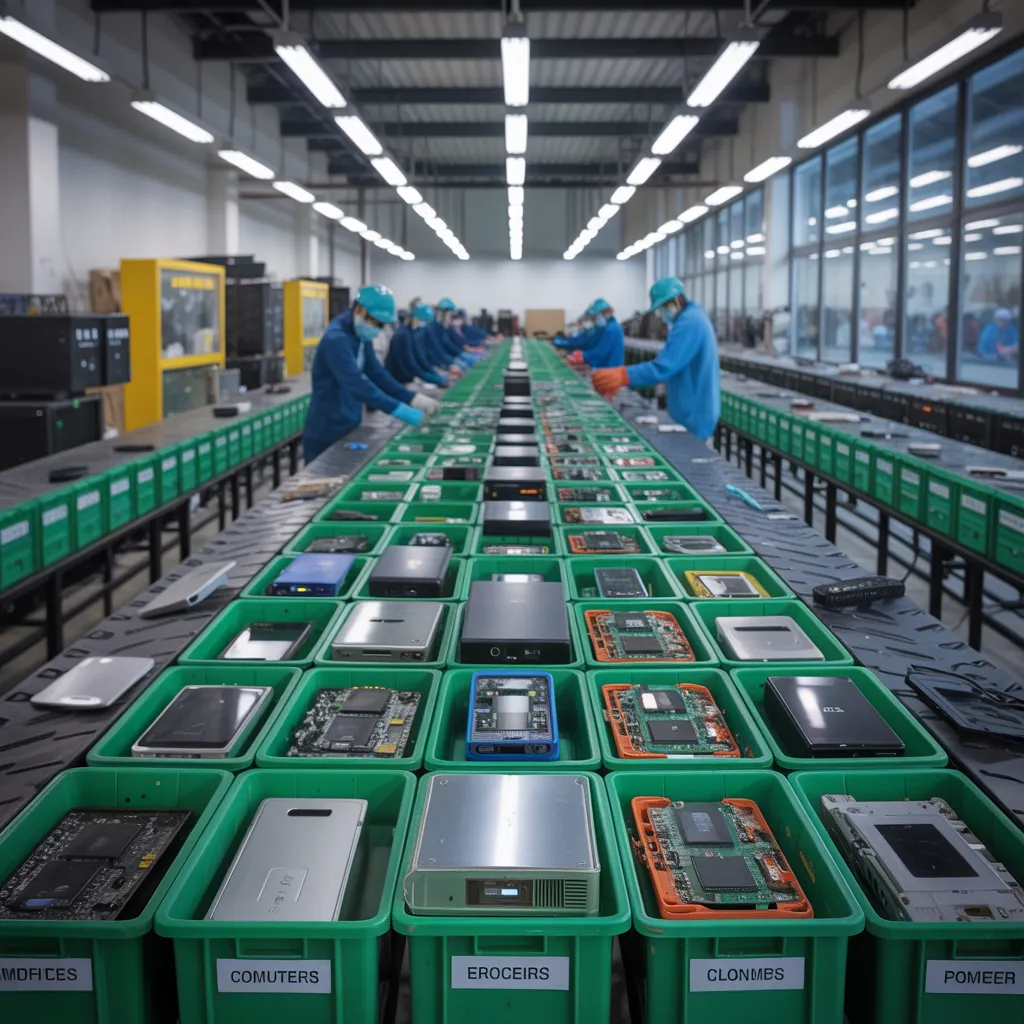
E-waste recycling entails a structured approach intended to extract beneficial components while reducing harm to the environment. Initially, discarded electronics are retrieved and sent to dedicated processing centers. Once there, the equipment is meticulously organized to isolate dangerous parts from recoverable materials.
Following this, workers dismantle the electronics, separating glass, metals, and plastics. This stage is crucial, as it makes possible the reclamation of high-value metals like copper, gold, and silver, which may be utilized in modern electronics.
Subsequently, the divided materials are handled through sophisticated techniques, such as chemical treatments and shredding, to refine them for further use.
Finally, the remaining hazardous waste is handled with responsibility, complying with environmental guidelines. This comprehensive process not only conserves resources but also minimizes the hazards linked to improper e-waste disposal, guaranteeing a greener future for electronic consumption.
Benefits of E-Waste Recycling for You and Your Community
While many individuals may not realize it, the positive effects of e-waste recycling go far beyond individual benefit and actively shape entire communities. By responsibly disposing of electronic waste, individuals play a role in creating a cleaner environment, reducing hazardous materials that can seep into soil and water. This forward-thinking practice helps preserve local ecosystems and advances public health.
Furthermore, e-waste recycling promotes employment opportunities within local communities. Nearby recycling establishments regularly need employees for various operations, from collection to processing, thereby providing employment opportunities for community members. This not only stimulates the local economy but also fosters community involvement in eco-friendly practices.
Furthermore, knowledge about e-waste recycling is capable of inspiring community outreach programs, equipping residents to embrace sustainable practices. By participating in e-waste recycling programs, individuals nurture a culture of sustainability, inspiring others to join the movement. Ultimately, the collective impact of these actions can create a more resilient and environmentally responsible community.
A Guide to Selecting an E-Waste Recycling Service
Choosing the right e-waste disposal service is crucial for making sure that e-waste is processed responsibly and sustainably. First, individuals should verify the provider's certifications, such as R2 and e-Stewards certifications, which demonstrate adherence to professional guidelines for responsible recycling methods. It's also important to evaluate the provider's credibility by reading customer reviews and obtaining recommendations from trusted sources.
Furthermore, clarity in the recycling process is essential. A trustworthy provider should offer detailed insights about how e-waste is processed and what becomes of the materials. Furthermore, assessing the variety of services available can be advantageous; various firms may supply retrieval services or extend benefits for recycling.
Furthermore, being aware of local regulations regarding e-waste disposal can additionally influence the evaluation process. Through focusing on these key aspects, residents can actively participate in successful electronic waste reduction while also advancing sustainable environmental efforts.
Ways You Can Participate in E-Waste Recycling?
Getting involved with e-waste recycling may begin at the local level, where community recycling hubs often provide essential services for responsible disposal. Additionally, joining community awareness campaigns can amplify efforts to educate others about the importance of responsible e-waste management. These actions not only advance environmental sustainability but also foster a collective sense of accountability for the environment.
Community Recycling Locations
A wide range of regional recycling hubs perform an important function in recycling electronic waste, offering communities convenient opportunities to discard electronic waste in an eco-friendly way. These facilities handle a variety of electronic equipment, including outdated computers, mobile phones, and TVs, making certain that hazardous materials are managed safely. Most centers are equipped with experienced team members who support individuals in understanding proper disposal practices, stressing the significance of recycling instead of landfilling. Additionally, numerous facilities provide planned drop-off gatherings or set collection days, allowing residents to take part with ease. By engaging with these local facilities, people help build a circular economy, minimizing ecological impact and fostering sustainable behaviors. Connecting with these stations enables communities to combat e-waste pollution successfully.
Community Awareness Campaigns
Local organizations, schools, and businesses can work together to organize events that support e-waste collection drives. Community members can serve a critical function in raising awareness, sharing informational resources, and connecting with local residents. As a result of these combined actions, community members grow more knowledgeable and inspired to dispose of their electronics responsibly, thereby helping to build a Read on greener and more sustainable tomorrow.
Answers to Your Most Common Questions
What Electronic Devices Are Eligible for Recycling?
Various electronics may be recycled, including laptops, televisions, smartphones, printers, computers, and gaming consoles. Furthermore, accessories such as mice, keyboards, and batteries are well-suited for recycling, aiding in sustainable environmental practices.
Do Any Costs Come With E-Waste Recycling?
Yes, e-waste recycling can include costs, based on the provider. Certain providers charge fees for gathering or treatment, while other facilities provide no-cost solutions, often subsidized by the sale of reclaimed components.
What Are the Benefits of E-Waste Recycling for Businesses?
Organizations can gain from e-waste recycling by minimizing disposal costs, strengthening their ecological standing, meeting compliance standards, recovering valuable materials, and creating potential earnings via resale, thus supporting a greener and more sustainable operational framework.
What Occurs with Data on Recycled Devices?
Information regarding refurbished equipment is often irretrievably wiped or destroyed during processing. This confirms sensitive information stays protected, blocking unwanted intrusion while allowing resources to be repurposed safely and responsibly within new applications.
Is It Possible to Recycle Damaged Electronics?
Indeed, broken electronics are able to be recycled. Numerous facilities process non-functioning devices, ensuring responsible disposal and extraction of precious materials. This helps minimize harm to the environment while supporting sustainable recycling habits to control e-waste efficiently.
Comments on “Local Electronics Recycling for Residential Drop-Off”